
Dealing With “Difficult” Tenants
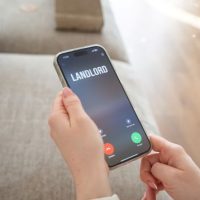
Most landlords and tenants in Florida are able to work together effectively, even if they may not have a personal liking for one another. However, it is common to have moments where the parties simply do not see eye to eye. If you are a landlord and find yourself in this position, there are several potential ways to handle the issue – with only some of them requiring legal action. The right attorney can help.
Procedure Must Be Followed
There are many different ways that a tenant can choose to make life difficult for their landlord. Some of the most common include:
- Constant late payments or non-payment of rent;
- Noise violations, either of building rules or city ordinances;
- A refusal to let the landlord or maintenance personnel inside for needed repairs; and
- Causing damage to the dwelling that is worse than ordinary wear and tear.
While these are the most common scenarios for problem tenants, other events may rise to the level where a landlord has to take action. That said, a landlord cannot act unilaterally – there are procedures that must be followed under Florida law. A landlord may face legal penalties if they choose to “help themselves” by locking a tenant out or providing no notice before starting legal proceedings.
Document Everything
The first thing any landlord should do when dealing with a difficult or unreasonable tenant is to document every single interaction the two of you have. This includes ensuring that the relevant documents in your relationship – such as the lease or any notices of missed rent – but in general, written logs of every call and personal interaction, with a summary sent to the tenant, is a smart strategy for those who worry about potential legal action in the future. Copies of e-mails or text messages should also be preserved.
If your relationship with your tenant is at the point where eviction has become a possibility, serving notice of your intentions is critical. Florida mandates a 7 day notice to a tenant, giving them that length of time in which to correct their noncompliance with the lease (or association rules, if you rent in a condo association). If the tenant does not reply, the landlord can proceed with an eviction lawsuit. Keep in mind that the temptation to react to a disruptive tenant with rage is understandable, but doing so can lead to long-term legal issues.
Contact A Tampa Landlord-Tenant Attorney
If you have a dispute with your tenant, know that you have rights as a landlord which can help you deal with the issue. Consulting a Tampa landlord-tenant attorney from the Seward Law Office can help to clarify your options – we are ready to try and help you. Call our office today at 813-252-6789 to schedule a consultation.
