

Short-Term Florida Rentals Create New Landlord-Tenant Issues
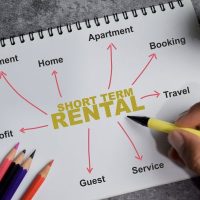
As of this writing, Florida is one of the hottest markets in the United States for short-term rentals. Whether a home, apartment, condominium or other type of dwelling, the appeal of renting out one’s home to short-term guests has resonated with many Floridians. However, deciding to simply jump right in is not a good idea – at least not without talking to one’s landlord (or community association board). Short-term rentals that violate landlord-tenant law cause nothing but trouble for everyone involved. If you have questions about compliance, the right attorney can help.
Is It Even Possible?
Before planning to open your home to short-term guests, the first thing to do is verify that your lease or your community association’s governing documents do not prohibit the practice. Some condo associations, in particular, have banned short-term rentals in their buildings in order to protect their residents. An individual landlord may feel similarly. In addition, some local governments have either severely restricted or outright banned short-term rentals – for example, Miami Beach permits these rentals, but only in certain areas.
Be advised that even if your community association and your local government allow short-term rentals, you must follow through on other points before you can put your listing up. For example, in Florida, if you are renting out your home for under 30 days at least 3 times per year, you must register with the state’s Department of Business & Professional Regulation. You must also pay and remit the taxes any other public lodging provider would pay,
Protect Your Own Assets
One other important thing that a real estate investor should do before opening up your property to short-term rentals is to establish legal protection for your own assets. If you simply own your rental property under your own name, you run the risk of your personal assets being up for grabs in the event of a lawsuit or other monetary issues. It is highly recommended to create a Florida limited liability corporation (LLC) or other business entity that will protect your personal assets from being reached by any future creditors.
A failure to ensure that all is legal and above-board can get your license to operate a short-term rental revoked quickly, with its reinstatement unlikely. This is one of the reasons why so many potential investors consult an experienced attorney before pulling the trigger; having to balance so many different sets of regulations can be difficult to even the most seasoned investor. Having legal help on your side can smooth out the process.
Call A Tampa Real Estate Attorney
Short-term rentals are many investors’ first proverbial toe in the water, and can yield a good income, but this is only if all the relevant rules are followed. A Tampa real estate attorney from the Seward Law Office can help ensure that all is in order before you start to open your home to guests. Call our office today to schedule a consultation.
Source:
2.myfloridalicense.com/
